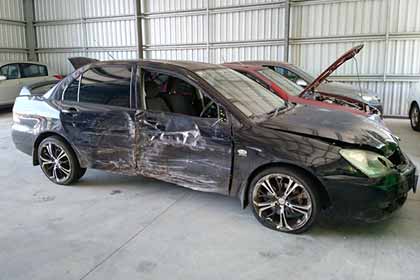
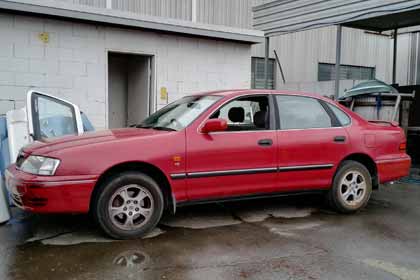
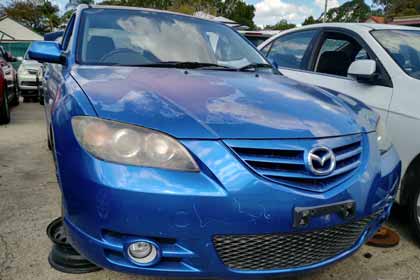
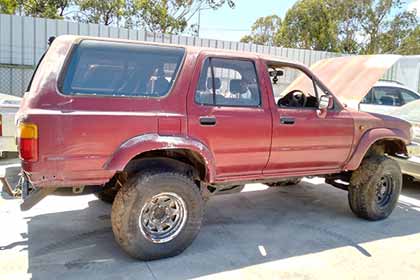
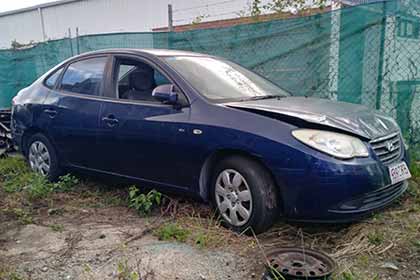
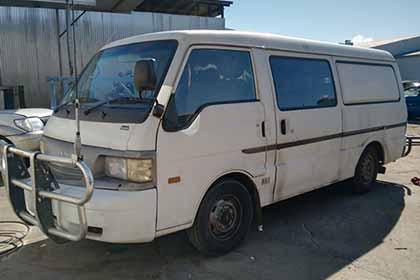
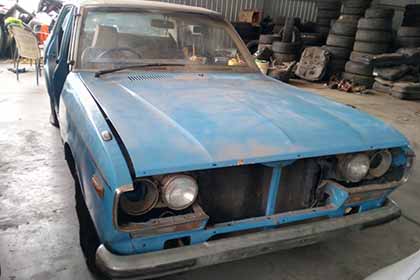
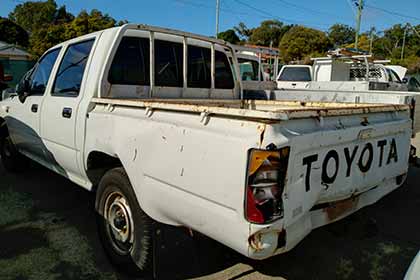
If you are thinking of dumping your scrap car, then we'll pay you highest possible value for your scrap car. ‘Best Cash for Cars Brisbane’ buy all types of cars including old, scrap, unwanted, broken, unrepairable vehicles. You will get cash up to $9999 in your hand when picking up your scrap car. Call us today on 0451 977 517 to get a free, no obligation quote for your scrap car.
We are one of the largest Brisbane based professional car buyers that will take away the hassle of selling your car privately, eliminating stress and anxiety related to unwanted visits by strangers to your home. Our Cash for Scrap Cars service is fast, reliable and 100% customer satisfaction is guaranteed.
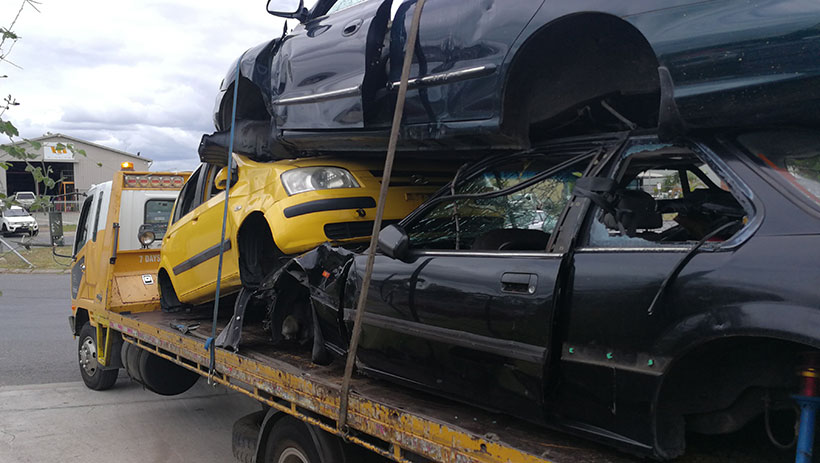
We provide top cash for any types of vehicle regardless of its model, year or condition. We provide a reliable service to ensure that you’re 100% satisfied. Call us now and get cash for your old car, truck, van, 4×4, SUV and much more with or without registration, starting or not starting.
At Best cash for cars Brisbane we buy your scrap car for up to $9999 and come to you, pay you cash money for your scrap car on the spot and will tow away the scrap car for free. When we receive your call for a quote, we will offer you a quote for your old car and if you agree with our offer, we will send the tow truck to your location. The entire selling process of your old car takes about 2-3 hours and there is no hidden fees or charges. We'll buy all types of scrap vehicles whether it be an old, junk, scrap, damaged or unwanted cars, trucks, vans, Utes, SUVs, 4WD’s, lorries and commercial heavy vehicles.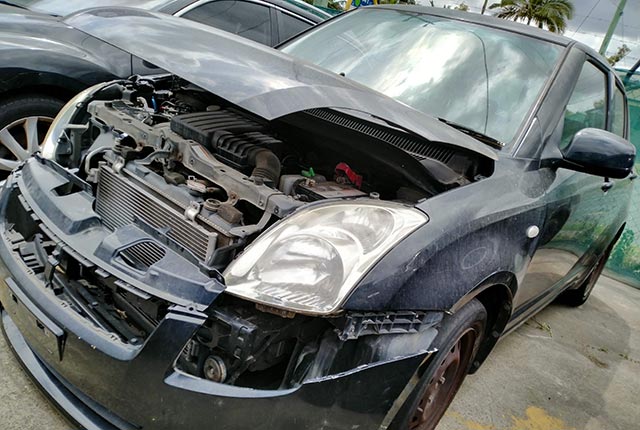
Whatever the current circumstance of your vehicle is, we will still pay instant cash for your car and trucks. With our free towing, you don’t need to spend a penny for disposing of your car. Therefore, you can sell your car to us even if it doesn’t start. Rest assured that you receive the cash that we promise in our quote. No need to worry about moving it to the junk yard and we take care of everything on your behalf.
Call UsCall us and tell us your car details such as make, model, year, etc. We'll make the best cash offer for your car. You can, of course accept or deny the offer but most customers accept our offer. |
We Pick UpOur auto removal truck will come to you at the scheduled time for removing of your car. Rest assured that all required paperwork will be taken care of by our truck driver. |
We Pay To Cash
You will get the cash for your car when we come to collect your car. If you want to receive the cash earlier than the scheduled pick up time, then we are always negotiable. |
We'll take care of required paperworks when selling your vehicle to us. As we do not require your registration plate, we can remove them for you if you need to keep them. The only requirement we need from you is your driver’s license. Therefore, please show your licence to our truck driver in order to complete the selling process quick.
All you have to do to get a FREE Cash for Cars Quote is call us today through 0451 977 517 or our online form. Contact us and get maximum cash for your unwanted car today.
At Best cash for cars Brisbane we buy your scrap car for up to $9999 and come to you, pay you cash money for your scrap car on the spot and will tow away the scrap car for free. When we receive your call for a quote, we will offer you a quote for your old car and if you agree with our offer, we will send the tow truck to your location. The entire selling process of your old car takes about 2-3 hours and there is no hidden fees or charges. Our partner in Adelaide offers Cash for Car Adelaide and Free Car Removals in Adelaide and surrounding areas.
We offer instant cash payments for a variety of scrap vehicles such as cars, trucks, vans, and 4x4s. Rest assured that even if your car is in extremely poor condition, as long as it is complete, we will accept it without any worries. A scrap car is not merely an unsightly presence and a space-waster; it poses a health risk to all those in its vicinity, including yourself, your loved ones, and your employees if it is on your business premises. By disposing of it promptly, you can quickly restore order to both your personal life and business operations. Every car has value to us; we purchase all makes and models. Contact us today to discover the worth of your vehicle - we accept all types of cars. All you have to do is fill out the vehicle information, and then we will contact you with a competitive quotation.
We don't just salvage scrap cars - we're also a top-notch car removal service. Best Cash for Cars Brisbane ensures your unwanted vehicle is towed away the same day you reach out to us. We understand the value of your time and strive to complete the task promptly. If you're looking to get rid of your scrap car and make some fast cash, there's no better choice than Best Cash for Cars Brisbane!
Our prices are guaranteed to be the highest in Brisbane. Your vehicle may have some missing parts and it may not be road worthy or may have mechanical issues whether its scrap or unwanted we still offer you the maximum price. The cash for old cars service you receive from Best Cash for Cars Brisbane is reliable and hassle free.
Best Cash for Cars Brisbane offers you:
We guarantee you that you will get the top money for your scrap car and we can beat any written quote from other scrap car buyers in Brisbane. The amount of cash you receive from your scrap car is determined by the make, model, year and condition of the car so don't forget to mention all your scrap car details. When calling us on 0451 977 517 please tell us the details of your scrap cars as accurately as possible so that we can give you the highest possible cash offer for your scrap car. Our partner site "Unique Cash for Cars" offers the instant cash for cars service on the Gold Coast areas.